

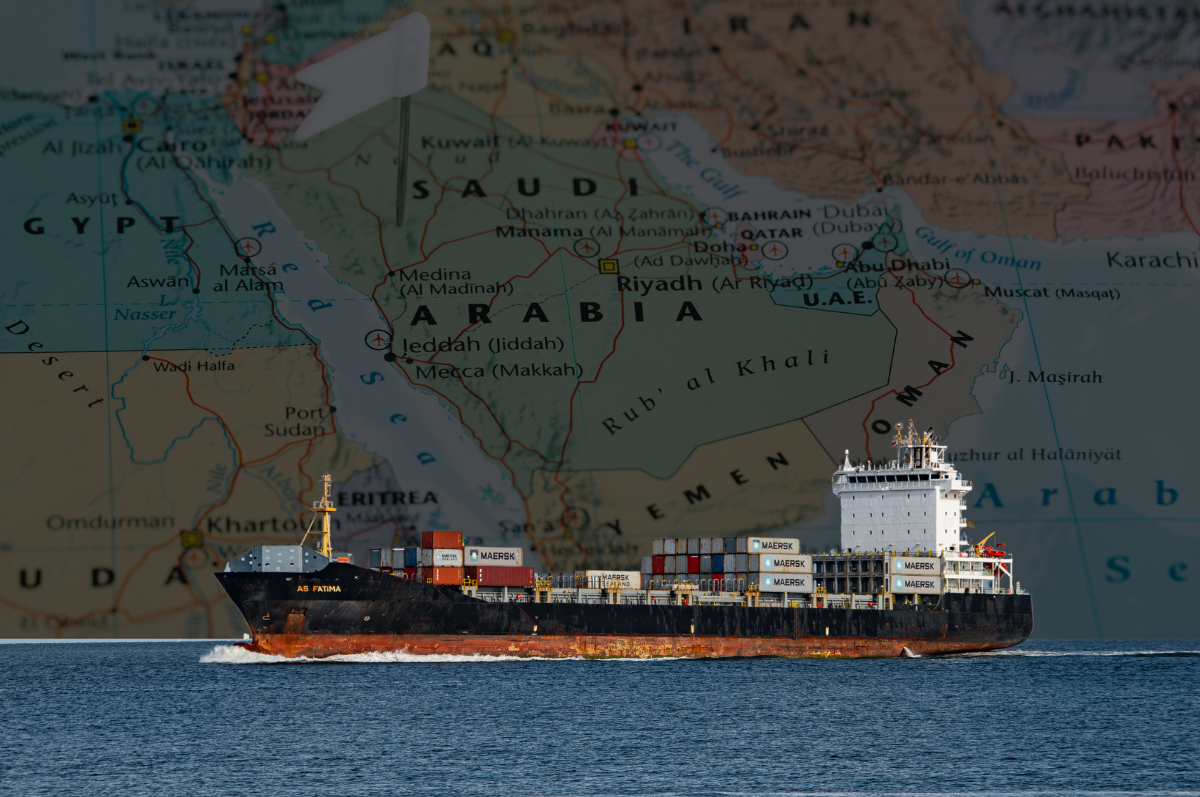
Global shipping lines continue to adapt to ongoing disruption in the Red Sea, and one of the latest developments comes from MSC Mediterranean Shipping Company with the launch of its new Europe–Red Sea–Middle East Express service. Designed to strengthen trade routes between Europe, the Red Sea and the Gulf region, the new service reflects the growing demand for reliable alternatives as geopolitical instability continues to affect global supply chains.
For UK businesses involved in importing or exporting goods to the Middle East, Asia and surrounding regions, this latest move is another reminder that international logistics remains in a period of rapid change.
Why the Red Sea Matters to Global Trade
The Red Sea is one of the world’s most strategically important shipping corridors, linking Europe to Asia via the Suez Canal. Around 12% of global trade normally passes through this route, making it essential for container shipping, energy supplies and international commerce.
However, over the past two years, the region has experienced significant disruption due to ongoing security concerns and attacks on commercial vessels in and around the Bab el-Mandeb Strait. As a result, many major shipping lines have been forced to divert vessels around the Cape of Good Hope instead of using the Suez Canal.
While this alternative route allows cargo to continue moving, it also creates a series of knock-on effects across the entire supply chain.
The Challenges Facing Shipping in the Red Sea
The continued instability in the region has created several major issues for global freight movements, including:
Longer Transit Times
Vessels rerouted around Southern Africa can add between 10 and 20 days to transit schedules depending on the origin and destination ports. This has made lead times far less predictable for importers and exporters.
Increased Freight Costs
Longer voyages mean increased fuel consumption, higher operational costs and growing pressure on shipping capacity. Freight rates on some routes have risen significantly during periods of disruption, particularly for time-sensitive cargo.
Equipment Shortages
Delays to vessel schedules often create container imbalances across global ports. This can lead to shortages of empty containers and reduced availability of shipping equipment in key regions.
Port Congestion
As shipping schedules become less reliable, ports across Europe, the Middle East and Asia can experience congestion and delays, especially when multiple diverted vessels arrive simultaneously.
Supply Chain Uncertainty
For manufacturers, retailers and distributors, unpredictability can be just as damaging as delay itself. Businesses relying on just-in-time inventory systems are increasingly having to review stockholding strategies and contingency planning.
MSC’s New Service: A Strategic Alternative
MSC’s new Europe–Red Sea–Middle East Express service aims to provide a more flexible solution for cargo moving between Europe and Gulf markets.
The service connects key European ports including Antwerp, Gdansk, Klaipeda, Bremerhaven, Valencia, Barcelona and Gioia Tauro with Red Sea ports including Abu Kir, King Abdullah Port, Jeddah and Aqaba.
One of the most notable elements of the service is the use of a land bridge operation through Saudi Arabia. Cargo can move via road transport from King Abdullah Port to Dammam before continuing onwards to Gulf destinations through feeder services.
This multimodal approach allows cargo to bypass some of the most heavily affected maritime areas while maintaining connectivity into the UAE and Upper Gulf markets.
For many businesses, this represents a practical attempt by carriers to restore some stability and flexibility into regional supply chains.
What This Means for UK Importers and Exporters
Although the service is focused on Europe and the Middle East, the implications extend directly to UK businesses.
The Long-Term Outlook for Global Shipping
While shipping lines continue adapting operations, many analysts believe disruption in the Red Sea could influence global logistics patterns for years to come.
The industry may see:
- Increased investment in alternative trade corridors
- Greater use of multimodal transport networks
- More diversified sourcing strategies from importers
- Continued pressure on vessel capacity and scheduling
- Higher emphasis on resilience over lowest-cost shipping
For businesses involved in international trade, agility and forward planning are becoming just as important as cost efficiency.
How Hawley Logistics Supports Businesses During Supply Chain Disruption
At Hawley Logistics, we understand how quickly international freight conditions can change. Our team works closely with importers and exporters across the UK to help navigate disruption, reduce delays and maintain supply chain continuity.
We provide:
- International sea freight solutions
- Air freight services
- Road freight and European transport
- Customs clearance support
- Multimodal freight planning
- Proactive shipment tracking and communication
- Tailored logistics strategies for changing market conditions
As global shipping routes continue to evolve, having an experienced logistics partner can make a significant difference to supply chain performance and reliability.
Whether your business imports, exports or manages international supply chains, Hawley Logistics can help you respond confidently to changing market conditions while keeping goods moving efficiently.


