

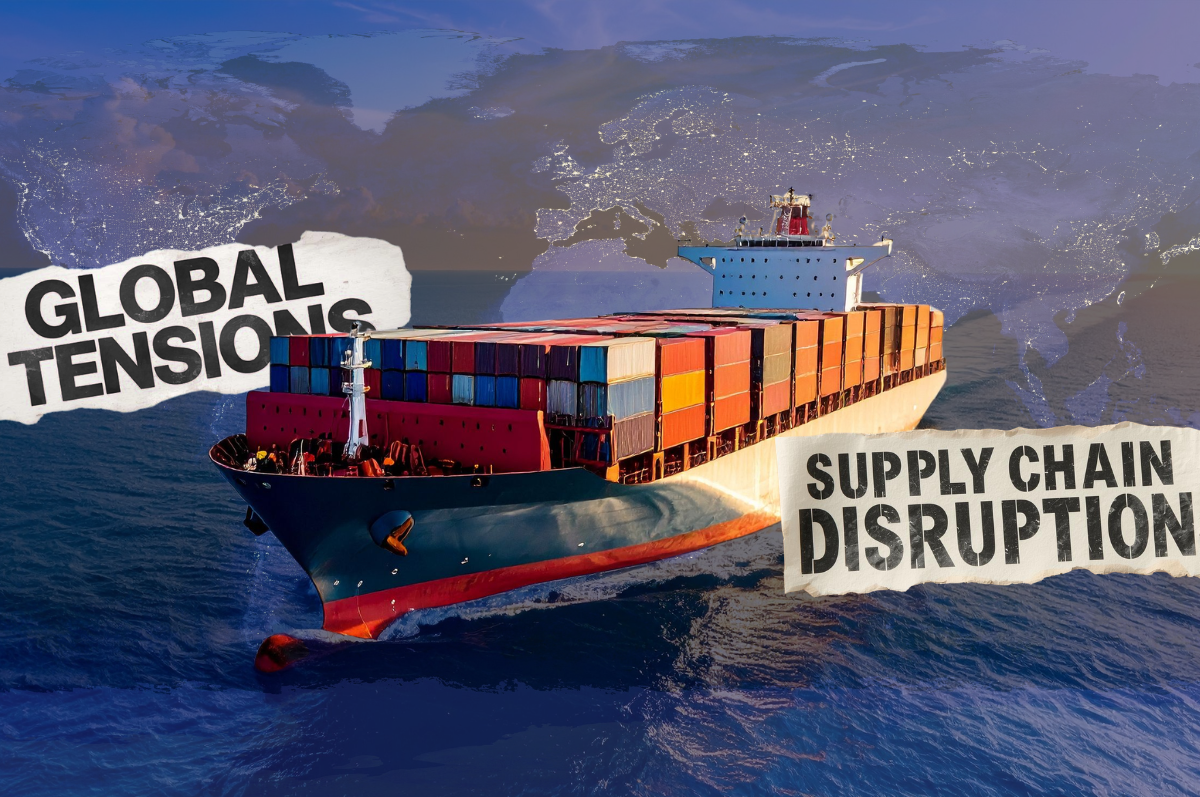
After more than three months of disruption caused by the conflict between the United States and Iran, global markets welcomed news this week of a tentative peace agreement and plans to reopen the Strait of Hormuz.
Oil prices immediately fell and stock markets rallied, but for businesses involved in international trade, the challenges facing global supply chains are far from over.
Shipping lines, insurers and freight operators remain cautious, with industry experts warning that it could take weeks, potentially months, before normal shipping operations resume. For UK importers and exporters, this means continued volatility in freight rates, longer lead times and ongoing pressure on supply chain planning.
Why the Strait of Hormuz Matters
The Strait of Hormuz is one of the world’s most important shipping routes, handling approximately 20% of global oil and liquefied natural gas supplies.
Since the conflict began in February, commercial traffic through the strait has fallen dramatically. Many shipping companies diverted vessels away from the region, while others suspended services altogether due to security concerns, rising insurance costs and uncertainty surrounding fuel availability.
Although a ceasefire agreement has now been announced, maritime security experts have warned that clearing potential naval mines and ensuring safe passage could take between 40 and 50 days. Until confidence returns, many carriers are expected to continue operating cautiously.
Freight Rates Remain Elevated
The impact on container shipping has been significant.
Global freight rates have been climbing for several weeks, driven by a combination of:
- Increased fuel costs
- War-risk insurance premiums
- Vessel diversions and rerouting
- Reduced available capacity
- Early peak-season demand
The Drewry World Container Index recently recorded one of its largest weekly increases of the year, while carriers have introduced additional fuel surcharges and peak season surcharges across key trade lanes.
Even as oil prices begin to soften following the ceasefire announcement, shipping costs are unlikely to return to pre-conflict levels immediately. Many carriers are still recovering from months of elevated operating expenses, and contract rates negotiated during the disruption may remain in place for some time.
Container Shipping Costs Have Risen Sharply
One of the clearest indicators of the disruption facing global trade has been the rapid increase in container shipping rates.
According to industry freight indexes, the cost of shipping a 40-foot container from Shanghai to Los Angeles recently exceeded $4,500, while rates to the US East Coast climbed above $5,500. This represents an increase of almost 100% compared to levels seen before the Iran conflict began earlier this year.
While Asia-US routes have experienced some of the most dramatic increases, the impact has also been felt across Asia-Europe services, with carriers introducing fuel surcharges, emergency risk premiums and peak season charges to offset rising operating costs.
Although current rates remain well below the unprecedented highs experienced during the Covid-19 supply chain crisis, the recent surge serves as a reminder of how quickly geopolitical events can influence global freight markets.
For importers and exporters, higher container costs rarely remain isolated to one trade lane. Rising shipping expenses typically affect vessel availability, carrier pricing strategies and supply chain planning across multiple regions, including the UK.
The Impact on UK Importers
For UK businesses importing goods from Asia, the Middle East and beyond, the effects are already being felt.
Higher freight rates inevitably increase landed costs, placing pressure on margins and pricing strategies. Businesses that rely on imported components, consumer goods, machinery or raw materials may find themselves facing:
Increased Transport Costs
Fuel surcharges and carrier rate increases continue to push shipping costs higher, particularly on Asia-Europe routes serving UK ports such as Felixstowe, Southampton and London Gateway.
Longer Lead Times
Supply chains remain congested as carriers manage capacity constraints and work through backlogs created during the disruption.
Inventory Challenges
Many importers have accelerated shipments to avoid further cost increases, creating additional pressure on available vessel space and warehousing capacity.
Pricing Pressure
Higher transportation costs often work their way through the supply chain, ultimately affecting product pricing and profitability.
Challenges for UK Exporters
While much of the focus has been on imports, exporters are facing their own set of challenges.
UK manufacturers and suppliers shipping goods overseas are encountering:
- Increased freight costs reducing competitiveness
- Capacity shortages on key trade routes
- Greater uncertainty when planning deliveries
- Potential delays impacting customer relationships
Exporters working with just-in-time supply chains or time-sensitive cargo may be particularly vulnerable if further disruption occurs.
The Wider Impact on Global Logistics
The consequences extend beyond container shipping.
Higher fuel costs have affected every stage of the logistics chain, from ocean freight and road transport to warehousing operations and distribution networks.
Industry analysts are also monitoring potential impacts on manufacturing output across Asia. Rising energy costs have increased production expenses for factories, particularly those reliant on oil-based products, plastics and synthetic materials.
If manufacturers reduce output or delay production, supply shortages could emerge later in the year, creating additional pressure on already strained supply chains.
What Happens Next?
The announcement of a peace agreement is undoubtedly positive news for global trade, but the logistics industry is unlikely to see an immediate return to normality.
Over the coming months, businesses should expect:
Continued Freight Rate Volatility
Rates may ease from recent highs, but significant fluctuations are likely as markets respond to changing fuel prices and shipping capacity.
Ongoing Capacity Constraints
Shipping lines will need time to reposition vessels and restore schedules disrupted during the conflict.
Supply Chain Bottlenecks
Ports, inland transport networks and distribution hubs may continue to experience congestion as cargo volumes remain elevated.
Increased Demand During Peak Season
Many businesses are bringing shipments forward to reduce risk, which could place additional pressure on capacity throughout the second half of the year.
How Hawley Logistics Can Help
Periods of uncertainty highlight the importance of having an experienced logistics partner on your side. While freight rates have not yet returned to the record highs seen during the pandemic, recent container price increases highlight how vulnerable global supply chains remain to geopolitical disruption.
At Hawley Logistics, we work closely with importers and exporters to navigate changing market conditions, helping businesses maintain resilient and cost-effective supply chains.
Our team can assist with:
- International freight forwarding
- Ocean, air and road freight solutions
- Customs clearance and compliance
- Import and export documentation
- Supply chain planning and optimisation
- Alternative routing options when disruption occurs
As global markets continue to adapt to changing geopolitical events, proactive planning and expert logistics support can make a significant difference.
Whether you’re importing goods into the UK or exporting products around the world, Hawley Logistics can help you minimise disruption, control costs and keep your supply chain moving.
Speak to Hawley Logistics
If recent shipping disruptions have impacted your business, contact the Hawley Logistics team today. We’ll help you explore the most effective freight and logistics solutions for your requirements and keep your supply chain operating smoothly in an increasingly complex global market.


