

The ocean freight industry has faced significant disruption over the past two years as security concerns in the Red Sea forced many of the world’s largest shipping lines to rethink their traditional routes between Asia, Europe and the Middle East.
Recently, some major carriers have started to cautiously return services through the Red Sea and Suez Canal corridor, marking a potential turning point for global shipping. However, while this shift could bring opportunities for improved transit times and increased efficiency, businesses should continue to prepare for ongoing uncertainty within international freight networks.
Why the Red Sea Route Matters to Global Shipping
The Suez Canal is one of the most important trade routes in the world, providing a vital shortcut between Asia and Europe. Around 12% of global trade traditionally passes through the canal, allowing vessels travelling between major manufacturing hubs in Asia and European markets to avoid the significantly longer journey around the Cape of Good Hope.
When security concerns escalated in the Red Sea, many shipping companies paused operations through the region and diverted vessels around Africa instead. Although this alternative route provided a safer option, it added thousands of nautical miles to journeys, increasing sailing times, fuel consumption and operational costs.
For businesses relying on international supply chains, these changes created a ripple effect, impacting everything from delivery schedules and inventory management to freight pricing.
Shipping Lines Take a Cautious Step Towards Normal Operations
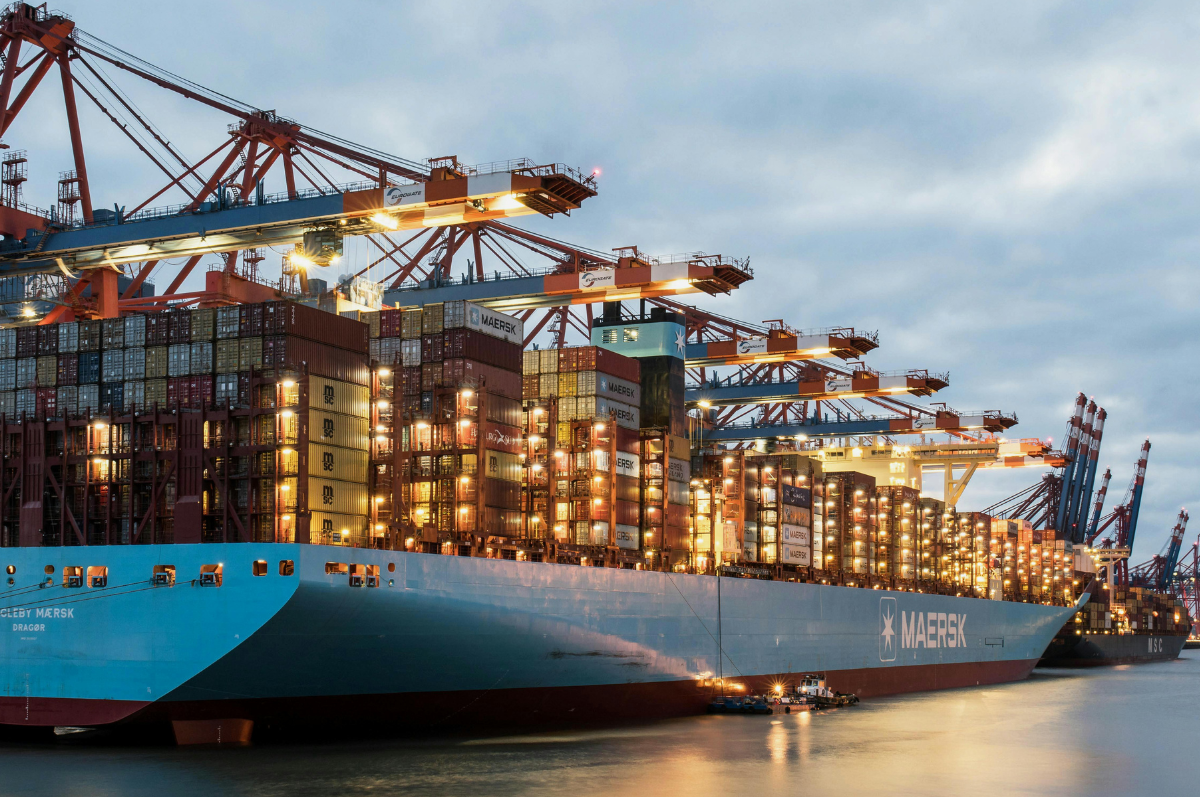
Recent announcements from major carriers, including Maersk, indicate that some services are beginning to return to the Suez Canal route. This gradual return reflects improved confidence in the security situation, but shipping companies are continuing to monitor conditions closely.
Rather than a complete return to previous operations, carriers are taking a measured approach, reviewing individual routes and assessing whether they can safely resume services.
For the ocean freight industry, this represents an important step towards restoring stability. However, businesses should be aware that global shipping remains influenced by a range of factors, including geopolitical risks, port congestion, fuel costs and changing demand levels.
How This Impacts the Ocean Freight Industry
The return of services through the Red Sea could bring several benefits across the shipping sector.
The Red Sea Situation Is Improving, But Uncertainty Remains
While the return of some services through the Red Sea is a positive sign for global trade, businesses should remain prepared for potential disruption.
The shipping industry has experienced significant volatility in recent years, and events such as geopolitical tensions, extreme weather, port congestion and changing regulations can quickly impact international supply chains.
For importers and exporters, this reinforces the importance of having contingency plans in place and working with logistics partners who understand how to adapt when circumstances change.
What Does This Mean for UK Importers and Exporters?
For UK businesses trading internationally, these developments could have a positive impact, particularly for companies importing goods from Asia, the Middle East and other key markets.
Businesses may benefit from:
- More predictable delivery schedules
- Reduced risk of extended transit delays
- Improved supply chain visibility
- Greater confidence when planning international shipments
However, it remains important for UK importers and exporters to avoid relying on a single route or assuming that disruption risks have disappeared completely.
Recent events have highlighted how quickly global circumstances can affect supply chains. Businesses that rely on international freight should continue to work with experienced logistics partners who can provide alternative solutions when challenges arise.
The Importance of Flexible Freight Planning
The last few years have demonstrated that global shipping can change rapidly. From port congestion and container shortages to geopolitical disruption and changing regulations, businesses need supply chains that can adapt.
Working with a freight specialist means having access to expert advice, route planning and solutions designed around your specific requirements.
At Hawley Logistics, we help businesses manage international shipments with confidence, providing reliable ocean freight solutions and expert guidance throughout the entire process.
Whether you are importing goods into the UK or exporting products around the world, our team can help you navigate changing market conditions, understand your options and ensure your cargo reaches its destination efficiently.
Supporting Your Global Supply Chain
While the gradual return of shipping services through the Red Sea is a positive development for the industry, global freight continues to evolve. Businesses that stay informed and work with experienced logistics partners will be best placed to manage future challenges.
At Hawley Logistics, we combine industry knowledge with personalised support to help businesses move goods efficiently, whatever challenges the global freight market presents.
We support businesses with a complete range of international freight services, including ocean freight, container shipping, import and export support, customs guidance and supply chain planning.
Our experienced team works closely with customers to understand their requirements, identify the most effective shipping options and provide support throughout the journey, from initial booking through to final delivery.
Contact our team today to discuss your ocean freight requirements and discover how Hawley Logistics can support your international supply chain.
Red Sea Shipping Update: Key Points for BusinessesRed Sea Shipping Update: Key Points for Businesses


