

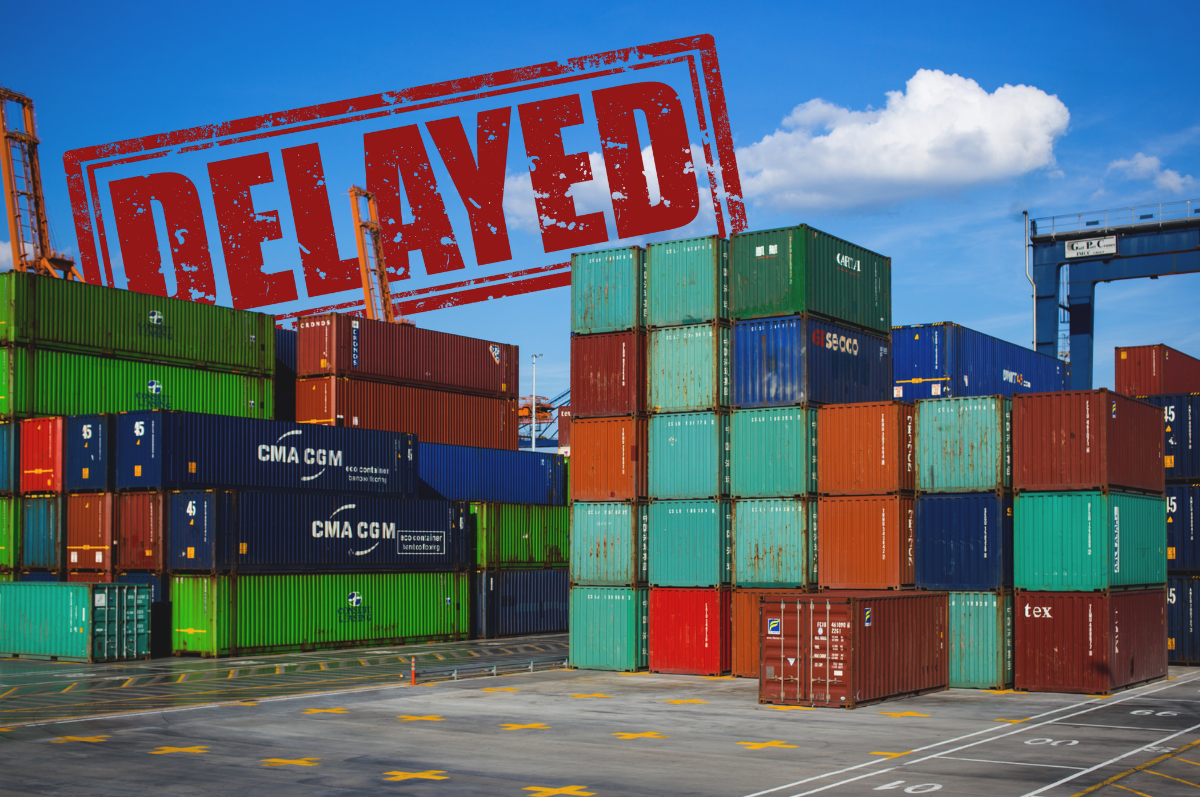
Container shipping is facing renewed pressure as vessel delays, port congestion and cancelled sailings create further uncertainty for international supply chains. For UK businesses that depend on imported materials, overseas suppliers or exporting finished goods, the latest developments are a reminder that shipping schedules cannot always be taken at face value.
According to Xeneta’s September 2026 schedule reliability data, just 27% of container ships arrived on time worldwide, while average delays reached six days. The situation was particularly challenging on routes from the Far East to Europe, where only 4% of vessels arrived on schedule and average delays reached 9.9 days. These figures represent a significant deterioration in reliability and leave businesses with less room to absorb unexpected disruption.
With the effects of severe weather, port congestion and changes to shipping capacity continuing to ripple through global trade, UK importers and exporters need to consider how delays could affect their operations, costs and customer commitments.
Why Is Container Shipping Becoming Less Reliable?
International shipping depends on a complex network of ports, vessels, terminals and transport connections. When one part of that network experiences disruption, the effects can spread well beyond the original location.
Recent typhoons across Asia have contributed to congestion and delays at major Chinese ports. When vessels cannot load or unload as planned, shipping lines may struggle to maintain their published schedules. Ships can arrive late at subsequent ports, miss planned berthing windows and disrupt the next stage of their journeys.
Port congestion can also build up when several delayed vessels arrive close together. This creates additional pressure on terminal operations, while onward connections may be affected by the resulting backlog. Singapore, an important hub for international container shipping, has also experienced increased congestion as disruption at Chinese ports has affected wider Asian shipping networks.
The problem is that these delays do not necessarily end when the weather improves or a port begins to recover. Vessels and containers need time to return to their planned rotations, meaning the effects of a disruption can continue for weeks after the original event. For businesses booking shipments, this makes it harder to predict precisely when goods will arrive and how much flexibility will be available if something goes wrong.
Asia to Europe Shipping Faces Particular Pressure
The latest figures highlight just how challenging the situation has become for businesses shipping goods from Asia to Europe. Xeneta reported that only 4% of vessels on Far East-to-Europe routes arrived on time in September 2026, with average delays of almost ten days. Global schedule reliability also fell for the fourth consecutive month, reaching 27%.
These figures matter to UK businesses because many supply chains depend on goods manufactured in China and elsewhere across Asia. Products may need to travel through several ports before reaching Europe, and a delay at the start of the journey can affect the entire transport schedule.
A vessel arriving late can mean missed collection arrangements, additional storage requirements or a longer wait before goods reach a warehouse. If a shipment contains components needed for production, the consequences can extend to manufacturing schedules and customer orders.
Businesses should also be cautious about assuming that a particular shipping line will remain more reliable than its competitors. Xeneta reported that every carrier recorded its highest average delay of the preceding 12 months in September. Performance varies by route and service, so the cheapest or most convenient booking may not always be the most suitable option for a time-sensitive consignment.
For companies planning shipments over the coming weeks and months, checking the reliability of the specific service and allowing additional time for disruption can help reduce the risk of unexpected problems.
Cancelled Sailings and Rising Freight Costs
Delays are only part of the challenge facing the container shipping market. Shipping lines can also cancel planned departures, a practice commonly known as blanking a sailing.
A cancelled sailing may leave businesses waiting for the next available departure, even when their goods are ready to ship. This can push back delivery dates and create additional pressure when stock is already running low.
Xeneta’s September data indicated that planned capacity cancellations were set to increase in October. Announced blank sailings on Far East-to-Europe routes rose to around 17% of planned sailings, while the figure for Far East-to-North America routes reached approximately 13%.
Changes in available capacity can also influence freight rates. When demand is strong and fewer spaces are available on suitable sailings, businesses may face higher prices for new bookings. The cost of a shipment can also change through surcharges and other charges associated with the movement of goods.
In early October, Xeneta reported an average spot rate of US 7,717 per forty-foot equivalent unit (FEU) from China to the US West Coast,compared with a long-term contract rate of US 3,649 per FEU. Although this is a North American trade lane rather than a direct UK shipping rate, it illustrates the extent of the pricing pressure in parts of the container market.
For UK businesses, the important point is that freight costs and availability can change quickly. A quote obtained several weeks before a shipment is ready may not reflect the conditions when the booking is confirmed. Understanding what is included in a rate, how long a quotation remains valid and which additional charges may apply can help businesses make better-informed decisions.
What Does This Mean for UK Importers?
For UK importers, shipping delays can affect far more than the date on which a container reaches port. They can influence stock availability, cash flow, production planning and the ability to fulfil customer orders.
Businesses importing finished products may find that stock arrives too late to meet seasonal demand or agreed delivery dates. Manufacturers can face a different challenge if essential components or raw materials are delayed, particularly when alternative suppliers are difficult to source at short notice.
Longer transit times can also tie up working capital. Goods that are still at sea cannot be sold or used in production, while payments to suppliers and shipping providers may already have been made.
There may also be additional costs once a shipment arrives. Depending on the circumstances, delays can affect collection bookings, warehouse availability and the time allowed for moving containers from the port. Importers should understand the relevant free-time arrangements and potential detention, demurrage and storage charges rather than assuming these costs will not arise.
UK customs requirements need to be considered alongside the shipping schedule. Importers should ensure that the necessary information and documentation are prepared in good time, including the correct commodity codes, customs declarations and any required licences or certificates. An EORI number and the appropriate import arrangements are also important for goods entering Great Britain. Customs preparation cannot prevent a vessel arriving late, but incomplete or inaccurate paperwork can introduce further delays when goods are ready to clear the border.
What can UK importers do?
Review stock levels and identify which products or components would cause the greatest disruption if a shipment arrived late. Where possible, build realistic contingency time into purchasing plans and avoid relying on a single estimated arrival date for critical goods.
It is also worth reviewing supplier lead times, checking booking arrangements early and discussing alternative transport options when a shipment is particularly urgent. For some consignments, a different sailing or route may be suitable. In other cases, air freight or a road-based solution may be worth considering, depending on the origin, destination, shipment size and budget.
What Should UK Exporters Consider?
Unreliable shipping schedules can create challenges for UK businesses sending goods overseas, too. Exporters may have production deadlines, customer delivery commitments or contractual obligations that depend on a shipment leaving the UK at a particular time. A missed sailing can affect the delivery date promised to an overseas customer, potentially disrupting their own operations.
This is especially important for manufacturers, wholesalers and businesses supplying goods for specific projects or seasonal markets. If a shipment misses its intended departure, the next available sailing may not fit the customer’s requirements.
Exporters should allow time not only for the sea journey but also for collection, export customs clearance, port handling and onward transport at the destination. The full journey matters, rather than the vessel departure date alone.
Documentation also needs attention. Commercial invoices, packing information, export declarations and any destination-specific documents should be prepared accurately. Businesses should check their responsibilities under the agreed Incoterms, which determine how certain costs, risks and responsibilities are allocated between the buyer and seller.
Communication is equally important. If a delay becomes likely, informing customers early gives them more opportunity to adjust their own plans. Keeping customers updated is usually far more manageable than explaining a missed deadline after the expected delivery date has passed.
For UK exporters, planning around a realistic shipping window rather than a single expected arrival date can make international commitments easier to manage. Where deadlines are particularly tight, it is worth discussing the available transport options before goods are ready to leave the warehouse.
How Can Businesses Reduce the Risk of Shipping Disruption?
No business can control the weather, port congestion or the decisions made by shipping lines. However, there are practical steps that can help reduce the commercial impact of disruption.
Allow realistic lead times
Build additional time into shipping and purchasing schedules, particularly for goods moving through routes experiencing persistent delays. The amount of contingency needed will depend on the trade lane, the type of goods and the consequences of a late delivery.
Look beyond the headline freight rate
Price is important, but it should not be the only consideration when choosing a shipping service. Review the proposed route, available sailing options, expected transit time and the potential consequences of disruption. A lower initial rate may not offer the best overall value if it creates greater uncertainty or additional costs elsewhere in the supply chain.
Keep communication open
Maintain contact with suppliers, freight forwarders and customers as a shipment progresses. Early updates can help businesses adjust collection arrangements, warehouse bookings, staffing and delivery commitments before a small delay becomes a bigger operational problem.
Prepare documentation in advance
Ensure that commercial and customs paperwork is accurate and available when required. Check that the parties responsible for export and import formalities understand their obligations, particularly when shipping to a new market or dealing with unfamiliar goods.
Review alternative transport options
Sea freight remains an important and cost-effective option for moving large volumes over long distances. However, it may not be the right solution for every shipment when deadlines are tight.
Depending on the circumstances, air freight, road freight or a combination of transport methods may provide a suitable alternative. These options will not always be practical or economical, but discussing them early can give businesses more flexibility if a shipment is disrupted.
Work with a logistics partner who can coordinate the journey
International freight involves more than booking space on a vessel. Collection, export arrangements, customs clearance, port handling and final delivery all need to fit together.
Working with an experienced logistics provider can help businesses coordinate these stages, understand their options and respond more effectively when plans change.
How Hawley Logistics Can Help Keep Your Goods Moving
When international shipping schedules become less predictable, having the right logistics support can make a real difference to how effectively a business manages its supply chain. Hawley Logistics works with UK businesses to arrange commercial freight movements across international and domestic transport networks. With more than 35 years of experience in logistics, the team can help coordinate shipments by sea, air and road, supporting businesses with their import and export requirements.
Sea freight for international shipments
Hawley Logistics arranges worldwide sea freight for both full container loads (FCL) and less-than-container loads (LCL). Whether you need to move a full container or a smaller consignment, the team can help identify a suitable shipping solution for your goods and requirements.
With established international partners and a dedicated agent in China, Hawley Logistics can help coordinate freight movements from overseas suppliers through to the UK, including arrangements from factory to warehouse. The team can also assist with customs clearance at UK maritime ports and the documentation required for international shipments.
See more about how we can help you with your Sea Freight requirements.
Road and UK haulage for onward delivery
Once goods arrive, the next stage is getting them to the right destination. Hawley Logistics can coordinate road freight, UK haulage and distribution to connect international shipments with warehouses, production sites and customer locations.
With access to a broad network of vehicles, the team can arrange full and part loads, helping businesses find an appropriate solution for their consignment. Direct deliveries and timed transport options may also be available, depending on the requirements.
Find out more about our Road Freight, Express Delivery in the UK and Express Delivery across Europe.
Air freight and urgent transport options
For goods that cannot wait for a sea freight shipment, Hawley Logistics can also arrange air freight through its international network. Road freight and express delivery options may provide alternatives for suitable routes and consignments.
The best option will depend on the urgency, size and nature of the goods, as well as the available budget. Discussing these factors with the team can help businesses weigh up their choices before committing to a particular service.
Discover how we can help with your Air Freight needs.
Support with customs and shipping documentation
Customs requirements can add another layer of complexity to international freight, particularly for businesses trading with new markets or managing unfamiliar products.
Hawley Logistics can help arrange customs clearance and support the documentation required for import and export shipments. Preparing these details in advance can help reduce the risk of avoidable hold-ups and make the transition between international transport and final delivery more straightforward.
Most importantly, Hawley Logistics can help bring the different stages of a shipment together, giving businesses a point of contact to discuss their transport requirements and available options.
Planning Ahead for the Months to Come
The latest container shipping figures highlight the continuing uncertainty across international freight markets. With global schedule reliability at 27% in September and Far East-to-Europe services experiencing particularly severe delays, businesses should be cautious about relying on published sailing schedules as guaranteed delivery dates.
For UK importers and exporters, the priority is to understand where delays could have the greatest effect, allow realistic time for goods to move through the supply chain and keep transport arrangements under review.
There is no single solution that will suit every shipment. The right approach depends on the goods being moved, the route, the deadline and the cost of disruption. However, early planning and access to a range of transport options can help businesses make informed decisions when circumstances change.
Hawley Logistics is here to help businesses navigate these challenges, from arranging international sea freight and customs clearance to coordinating road transport and final delivery.
Need help planning your next shipment?
Speak to Hawley Logistics about your import, export or domestic transport requirements. Call 01706 826322 or email info@hawleylogistics.co.uk to discuss your options.
Hawley Logistics: helping businesses move their goods around the world.


